

Podcast

Welcome to EpiccaTalks, the podcast for anyone and everyone living life with an invisible illness. On the show, host and creator Cassie uses her lived experience with Lyme disease to explore the realities of life with an invisible health condition; everything from managing work and studies, mitigating flare-ups, communicating with friends and family, dealing with burnout, tending to emotional-wellbeing, and more.

EpiccaTalks features a blend of guest episodes, where Cassie sits down with someone who has an invisible illness to hear their story and wisdom, and solo episodes, where she offers strategies and learnings to make your daily life just a bit easier.

Whether you’ve been living with a chronic health condition for years or were diagnosed yesterday, EpiccaTalks is here to help you build the life that works for you.

Featured on…

BBC Radio Norfolk
Future Radio

Podcasts

  • #14

    Sophie Ainsworth

    In this episode, host Cassie sits down with Sophie Ainsworth, founder and CEO of RAiISE, a nonprofit supporting young people with invisible illnesses in education. Sophie recounts developing Lupus symptoms at 13 and the long road to being taken seriously before her diagnosis at 14. They discuss the social toll of chronic illness in school, the gap between structured exam accommodations and everyday teacher understanding, and how those experiences drove Sophie to build RAiISE at 16. The conversation covers RAiISE's flagship Schools Pack and Health Passport, creative accommodation ideas, the challenge of illness variability, navigating a freelance TV career with Lupus, and the confidence to advocate for yourself in school, at work, and beyond.

    Topics & Timestamps

    • 0:28 — Sophie's first Lupus symptoms at 13: overnight onset of joint pain, chest pain, and hair loss that baffled doctors initially dismissing it as "growing pains."
    • 3:18 — What Lupus actually is: an autoimmune disease where the immune system attacks healthy tissue, with symptoms that vary wildly from person to person.
    • 7:30 — Navigating school with chronic illness, including rumors among classmates that she was dying and the pressure of approaching GCSEs while seriously unwell.
    • 14:30 — The gap between formal exam accommodations (extra time, rest breaks) and the lack of everyday understanding when she was hospitalized or falling asleep in class.
    • 22:24 — How a rheumatology appointment turned into the founding moment for RAiISE, starting with a focus group of young patients aged 5–18 sharing universal experiences across different conditions.
    • 31:15 — The Health Passport: RAiISE's person-centered alternative to standard medical forms
    • 41:30 — Sophie's experience building a freelance TV production career alongside an unpredictable illness, including the anxiety of when to disclose and how COVID proved remote-work accommodations were always possible.
    • 49:15 — Sophie's advice to young people with chronic illness: find your voice, be your own advocate, and connect with others who understand what you're going through.

    Resources

    • RAiISE website: raise.co.uk
    • Instagram & TikTok: @RaiseUK
    • Schools Pack — RAiISE's flagship resource: a practical, hands-on guide for schools on supporting young people with chronic illness, including what to do at diagnosis, privacy considerations, and everyday support strategies.
    • Health Passport — A customizable, person-centered tool young people can bring to school to communicate what they need on good days and bad days, replacing jargon-heavy medical forms with practical, individual-focused information.

    Disclaimer: This podcast is for informational purposes only and does not provide medical, mental health, or other professional advice. Always consult a qualified healthcare professional regarding your individual circumstances.

    Connect: Follow @epiccatalks on Instagram for guest announcements, and share your own story via DM or comment.

  • #13

    How to Build a Morning Routine That Works on Your Worst Days

    In this solo episode of EpiccaTalks, host Cassie breaks down why traditional 12-step morning routines don't work for everyone, especially those living with chronic illness, and shares seven practical, flexible strategies for building a morning routine you can actually stick to.

    Topics Covered

    • 0:41 — Why 12-step morning routines set unrealistic expectations
    • 1:40 — How chronic illness and sleep needs change what a realistic routine looks like
    • 3:04 — Giving yourself permission to be imperfect with your routine
    • 4:59 — Why a good morning routine starts the night before
    • 7:34 — How to keep your phone out of reach
    • 8:55 — Writing down a short, foundational health checklist you'll actually follow
    • 10:26 — Adding optional "nice to do" items when you have extra energy
    • 11:17 — Doing a morning brain dump to manage worry and plan your day
    • 12:06 — Setting labeled timers to stay on track when brain fog hits
    • 13:14 — Why sustainable routines start small and build slowly

    Connect with us: Follow @epiccatalks on Instagram and leave a comment on this episode with your morning routine tips — what works for you, and what did we miss?

    Disclaimer: This podcast is for informational purposes only and does not provide medical, mental health, or other professional advice. Always consult a qualified healthcare professional regarding your individual circumstances.

  • #12

    Lisa Porto

    Lisa Porto is an accredited coach and experienced mentor who works with entrepreneurs managing chronic health conditions. Using her signature REST framework, she helps people build online businesses designed around their energy and capacity; not against it. In this conversation, Lisa shares her personal health journey, practical advocacy tips, and the systems she uses to help entrepreneurs with chronic illness thrive.

    Topics and Timestamps

    0:00 — Health Journey — Lisa shares her ME/CFS and fibromyalgia diagnosis story triggered by glandular fever in 2017.

    4:11 — Self-Advocacy — Lisa and Cassie discuss the frustration of being dismissed by doctors while already managing limited energy.

    10:10 — Appointment Tips — Lisa's practical advice for navigating doctor’s appointments so you leave feeling heard.

    12:27 — Career Pivot — A snowboarding accident prompts Lisa to leave the 9-to-5 and start a virtual assistant business.

    19:43 — Business Model — Lisa's three pathways: coaching, tech services, and upcoming self-paced courses for chronic illness entrepreneurs.

    26:40 — Invisible Illness — The "but you look fine" problem, the social media highlight reel, and learning to stop justifying your illness.

    31:47 — Confidence Gap — Lisa identifies lack of self-belief as the #1 barrier for entrepreneurs with chronic illness.

    37:39 — REST Framework — Lisa breaks down her signature system: Resilience/Energy/Mindset, Essential Foundations, Sales/Marketing, and Tech/Tools/Systems.

    43:00 — Free Resources — Lisa shares her website, self-care toolkit, energy quiz, community, and bite-sized podcast.

    Lisa's Resources

    Lisa also offers business support, website and marketing services, and coaching and mentoring. Connect with her at empoweredonline.co.uk.

    Disclaimer: This podcast is for informational purposes only and does not provide medical, mental health, or other professional advice. Always consult a qualified healthcare professional regarding your individual circumstances.

    Connect: Follow @epiccatalks on Instagram for guest announcements, and share your own story via DM or comment.


  • #11

    No Pain, No Gain?

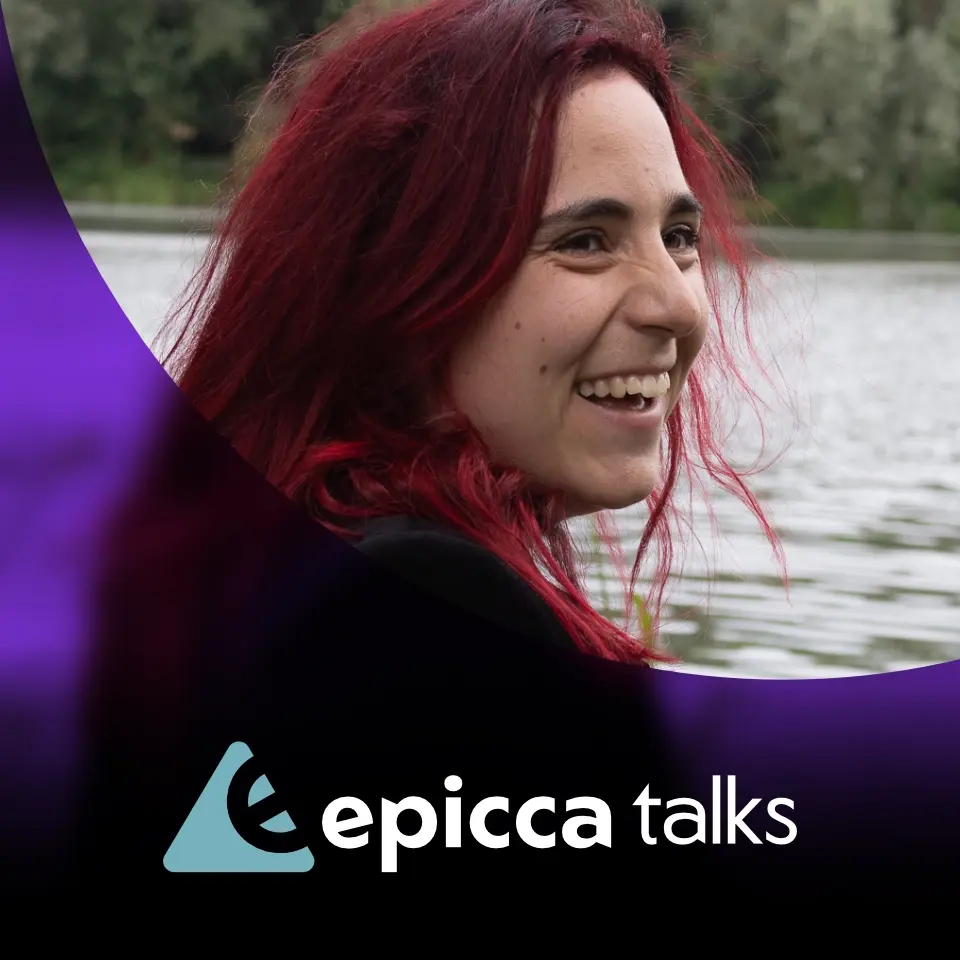
    Cassie speaks with Bronte Thomas-Bush, a qualified personal trainer and former competitive swimmer, about growing up with an invisible illness, the mental health impact of years without answers, and how finding a community of people who understood her changed everything.

    After 13 years of unexplained pain, Bronte finally discovered she had McArdle's disease, a rare metabolic muscle disorder that affects roughly 1 in 100,000 people. But getting a diagnosis was only part of the journey.

    Bronte shares what living with McArdle's disease has taught her about exercise, listening to your body, and challenging the idea that progress has to mean pushing through pain. As a trainer, she explains how fitness can be adapted for people with chronic illness and what to look for in a trainer who understands your needs.

    Topics Covered

    • 13 years without a diagnosis — Growing up with unexplained pain and finally getting answers (0:46)
    • The mental toll of an invisible illness — Shame, sport, and feeling disconnected from your own body (3:55)
    • Living with McArdle's disease — Everyday challenges, cold weather, and the six-second rule (8:23)
    • Finding people who understand — How connecting with AGSD changed Bronte's outlook (11:38)
    • Knowing when to push and when to stop — The second wind phenomenon and learning to listen to your body (15:20)
    • Making fitness work with chronic illness — Adapting exercise through home workouts, daily walks, and realistic consistency (20:00)
    • Finding the right personal trainer — Adapting exercise for disabled clients and moving beyond quick fixes (24:41)
    • Turning a diagnosis into purpose — What Bronte would tell her younger self and how her condition led to friendships around the world (31:24)

    Resources Mentioned

    • AGSD UK — The Association for Glycogen Storage Disease, which supports people affected by glycogen storage diseases.

    Connect with EpiccaTalks

    Follow @epiccatalks on Instagram for new episodes and guest announcements. Have a story about living with an invisible illness? Send us a DM or leave a comment. We'd love to hear from you.

    Disclaimer

    This podcast is for informational purposes only and does not provide medical, mental health, or other professional advice. Always consult a qualified healthcare professional regarding your individual circumstances.

  • #10

    Burnout

    In this episode, Cassie breaks down what burnout actually is, and how it affects people with invisible illness differently than the average person. Drawing on the Oxford English Dictionary's historical definition ("to burn until extinguished by want of fuel"), she reframes burnout as a problem of depleted resources, not character or work ethic.

    Topics Covered:

    • What burnout actually is (and what it isn't)
    • The Oxford English Dictionary definition of burnout as "burning until extinguished by want of fuel"
    • How burnout compounds when you're already operating from limited energy
    • Illness-related burnout from navigating the medical system
    • The difficulty of distinguishing burnout symptoms from illness symptoms
    • Three strategies for supporting yourself during burnout: specific routine change-ups, scheduling things to look forward to, and giving yourself time to (in Cassie's words) be a potato.
    • Why there's no silver bullet — and why small steps and small wins matter

    Disclaimer: This podcast is for informational purposes only and does not provide medical, mental health, or other professional advice. Always consult a qualified healthcare professional regarding your individual circumstances.

  • #9

    Vishay Karia

    In this episode, Cassie sits down with Vishay Karia, a two-time founder, to explore life with invisible illness; specifically ADHD, anxiety, and depression. Vishay shares his journey from an undiagnosed childhood in London, through years of masking his true self, to a turning point at university where he finally felt accepted for who he was. They discuss the interconnected nature of anxiety, stress, and depression; coping mechanisms rooted in understanding what you can and can't control; and how leaning into ADHD rather than fighting it became a creative superpower in entrepreneurship. The conversation also covers men's mental health, the importance of vulnerability and communication, practical systems for reducing mental load, navigating burnout, and the Eisenhower Matrix for managing attention as a finite resource.

    Topics & Timestamps:

    • Intro & guest background (~0:40)
    • Growing up different: ADHD before diagnosis (~1:30)
    • Masking, therapy, and formal diagnosis (~2:45)
    • Anxiety, stress, and depression as "worry in different time zones" (~3:20)
    • Coping mechanism: focusing on what you can control (~5:00)
    • University as a turning point — acceptance and self-worth (~5:40)
    • Mental health in South Asian and minority backgrounds (~8:00)
    • Men's mental health: sport as the only emotional outlet (~11:30)
    • The need for systemic change starting in early childhood (~12:50)
    • Practical strategies: leaning into ADHD with systems and routines (~14:30)
    • Reducing mental load through calendar systems (~16:00)
    • ADHD as a creative superpower in entrepreneurship (~17:00)
    • Navigating burnout: the antidote is the opposite of what ADHD wants (~20:00)
    • The Eisenhower Matrix and protecting your attention (~23:00)
    • Advice for someone struggling: talk to the right people (~24:30)
    • Out-of-pocket question: Touch Grass Day (~27:00)

    Where to find Vishay:

    Disclaimer: This podcast is for informational purposes only and does not provide medical, mental health, or other professional advice. Always consult a qualified healthcare professional regarding your individual circumstances.


  • #8

    Paul Cyprus

    Cassie sits down with Paul to discuss his 18-year journey of being wrongfully diagnosed with paranoid schizophrenia, the impact of being medicated with clozapine — a drug that actually compounded his OCD — and how a single smile from a stranger became the turning point in his life. They explore the role of community, creativity, and connection in managing invisible illness, and Paul shares his hard-won philosophy on success, self-advocacy, and keeping going when things get dark.

    Key Topics & Timestamps:

    • 0:37 — Guest introduction and Paul's mental health conditions
    • 2:29 — The wrongful paranoid schizophrenia diagnosis and 18 years on clozapine
    • 8:08 — Living with OCD: invisible thought loops, rituals, and coping strategies
    • 11:33 — Finding community at a local coffee shop and the moment someone realized he hadn't been around
    • 14:23 — Rediscovering creativity: poetry, synthesizers, and chess as therapy
    • 24:51 — The turning point: a smile from a stranger in Trent Park
    • 33:13 — Redefining success: from owning things to being happy for half an hour
    • 37:42 — Advice for someone struggling: be kind to yourself, talk to someone
    • 40:26 — The out-of-pocket question: an ultimate chess battle with any musician

    Disclaimer: This podcast is for informational purposes only and does not provide medical, mental health, or other professional advice. Always consult a qualified healthcare professional regarding your individual circumstances.

  • #7

    Extreme Variability

    In this solo episode, Cassie unpacks one of the most frustrating aspects of living with an invisible illness: the unpredictability. Unlike acute illness, chronic conditions don't follow a linear pattern; capacity can fluctuate hour to hour with no discernible pattern. Cassie shares three practical strategies for managing this variability, plus advice for friends, family, and supporters of people with invisible illnesses.

    Topics Covered

    • Why the biggest misconception about invisible illness is the idea of consistency — and how chronic conditions don't follow a "sick then better" pattern like the flu
    • How variability can shift hour to hour or even minute to minute, often with no identifiable pattern
    • The reality that your capacity isn't fixed — what you could handle yesterday may not be possible today
    • Why people only see you in your energetic moments, and how putting on a front makes it even harder to explain what's really going on
    • Tools for those with invisible illnesses to help with variable capacity: the Eisenhower Matrix, helping your future self, and proactive communication
    • Ways loved ones can support those with illnesses, why it’s a capacity and not a desire issue, and how flexible plans can make all the difference in keeping connection consistent

    Resources Mentioned:

    The Eisenhower Matrix

    Connect with EpiccaTalks

    Follow us @epiccatalks on Instagram and LinkedIn!

    Disclaimer: This podcast is for informational purposes only and does not provide medical, mental health, or other professional advice. Always consult a qualified healthcare professional regarding your individual circumstances.

  • #6

    Deborah Bircham

    In this episode, Cassie sits down with Deborah Bircham, a registered health coach and mindfulness teacher, to discuss her decades-long journey with invisible illness. From an early age, Deborah grappled with unexplained pain and fatigue, and experienced a catastrophic collapse at age 40 that led to a diagnosis of Lyme disease and Mast Cell Activation Syndrome (MCAS). Deborah shares how she navigated healthcare after being dismissed by doctors, the role of tick-borne co-infections, and how her health crisis led her to become a mindfulness teacher and health coach.

    Topics Covered:

    • Why a missing bullseye rash doesn't mean you're in the clear for Lyme disease
    • The hidden co-infections (Bartonella, Babesia, Rickettsia) that hitch a ride with tick bites — and why they get missed
    • How chronic illness can be misdiagnosed as a mental health condition
    • The real science behind mindfulness: what it does to your amygdala and prefrontal cortex
    • Why your nervous system can get "stuck" — and how that's a physical issue, not a personal failing
    • Grieving the identity and life you thought you'd have, and what "acceptance" actually means
    • Finding a new sense of self when illness strips away who you thought you were

    A Note On Lyme

    Not all ticks in the UK carry Lyme, but if you get bitten by a tick, it's important to seek healthcare from a qualified source promptly. Check out resources from Lyme Disease UK https://lymediseaseuk.com/help-ive-been-bitten-by-a-tick/ or the American Lyme Disease Foundation https://aldf.com/tick-identification-and-information/#prevent.

    Connect with Deborah

    Check out Deborah's work at https://livewellwithchronicillness.co.uk/, shoot her an email at livewellwithchronicillness@outlook.com, or on social media at Live Well With Chronic Illness.

    Want More EpiccaTalks?

    Connect with us @epiccatalks on Instagram!

    Disclaimer: This podcast is for informational purposes only and does not provide medical, mental health, or other professional advice. Always consult a qualified healthcare professional regarding your individual circumstances.

  • #4

    The Power Of A Piano

    In this solo episode, host Cassie explores the often-overlooked role music can play in coping with invisible illness and chronic conditions.

    In this episode:

    • Cassie shares the story of her two-week hospital stay for Lyme disease treatment in summer 2023, and how a piano in the hospital lobby became an unexpected source of comfort
    • How music offers an identity beyond being a "patient" — becoming a musician, creator, or fan instead
    • Why music can be a physical emotional release when workouts aren't an option due to fatigue or pain
    • Practical ways to bring more music into your life, whether or not you consider yourself a musician:
      • Playing solo or joining a music-making group (choir, band, jazz/folk group)
      • Learning an instrument on a budget — free YouTube resources, secondhand instruments, apps like Yousician and Simply Piano
      • The ukulele as a joint-pain-friendly alternative to guitar
      • Enjoying music without playing it — curated playlists, local live music at coffee shops and small venues

    Studies on the physiological benefits of music:

    Connect:

    • Follow on Instagram: @epiccatalks for guest announcements and bonus content
    • Go check out our guest announcement for next week on Instagram!
    • Challenge: what what music has gotten you through a tough time? Go comment on our Instagram or DM Cassie directly @epiccatalks.

    Disclaimer: This podcast is for informational purposes only and does not provide medical, mental health, or other professional advice. Always consult a qualified healthcare professional regarding your individual circumstances.

  • #3

    Stephen Walters

    In the third episode of EpiccaTalks, Cassie sits down with Stephen Walters — entrepreneur, lecturer, mentor, and coach — for a deeply honest conversation about mindset, vulnerability, and the power of human connection. Stephen shares the formative childhood experience that shaped his life's mission, and unpacks why true positivity starts not with toxic optimism, but with radical honesty and vulnerability.

    What We Cover

    • How a traumatic night at age eight led Stephen to make three life-defining promises to himself
    • Stephen's journey from the shop floor to the boardroom — and why he considers those 12 years his real apprenticeship
    • The concept of your "internal pharmacy" — what it is, why everyone has one, and how to start accessing it
    • The unexpected link between vulnerability and positivity — and why you can't have one without the other
    • "Story sharing" vs. telling — a reframe that changes how you open up to others
    • Baby steps into vulnerability: how sharing small things builds trust and confidence over time
    • The power of replacing "I have to" with "I get to"
    • Stephen's grandmother's advice that changed how he moves through the world

    Connect
    Connect with Stephen at https://www.askstephen.co.uk, and check out his app Ask Stephen on the app store! For more EpiccaTalks, follow us @epiccatalks on Instagram. We would love to hear your story; shoot us a DM or comment here.

    Disclaimer
    The content shared in this podcast is for informational purposes only and does not constitute medical, mental health, or professional advice. Always consult a qualified healthcare professional regarding your individual circumstances.

  • #1

    What Is An Invisible Illness?

    Welcome to the very first episode of the EpiccaTalks podcast, a show for anyone navigating daily life with an invisible illness. In this episode, host Cassie introduces herself, the podcast's mission, and lays the foundation for Season 1.

    In this episode:

    • The host of EpiccaTalks, Cassie, introduces herself and shares her personal journey with Lyme disease
    • What exactly is an "invisible illness"? A breakdown of the definition and examples; from chronic fatigue, fibromyalgia, lupus, and Lyme, to chronic migraines, POTS, MCAS, Crohn's, endometriosis, and long COVID, as well as mental health conditions like anxiety, depression, bipolar disorder, and PTSD (and how these conditions often overlap)
    • A personal story from summer 2023: after a two-week hospital treatment for Lyme disease, Cassie began walking with a cane as a precaution, and experienced firsthand how people's treatment of her changed once her illness became visible
    • Reflections on why invisible illnesses deserve their own conversation, and what people with these conditions wish others understood

    Release schedule: New episodes every other week on Fridays, 5:00 PM GMT / 9:00 AM PST

    Connect: Follow @epiccatalks on Instagram for guest announcements, and share your own story via DM or comment.

    Disclaimer: This podcast is for informational purposes only and does not provide medical, mental health, or other professional advice. Always consult a qualified healthcare professional regarding your individual circumstances.

EpiccaTalks

Living life with an invisible illness

Subscribe to our newsletter

© 2026 EpiccaTalks. All rights reserved.